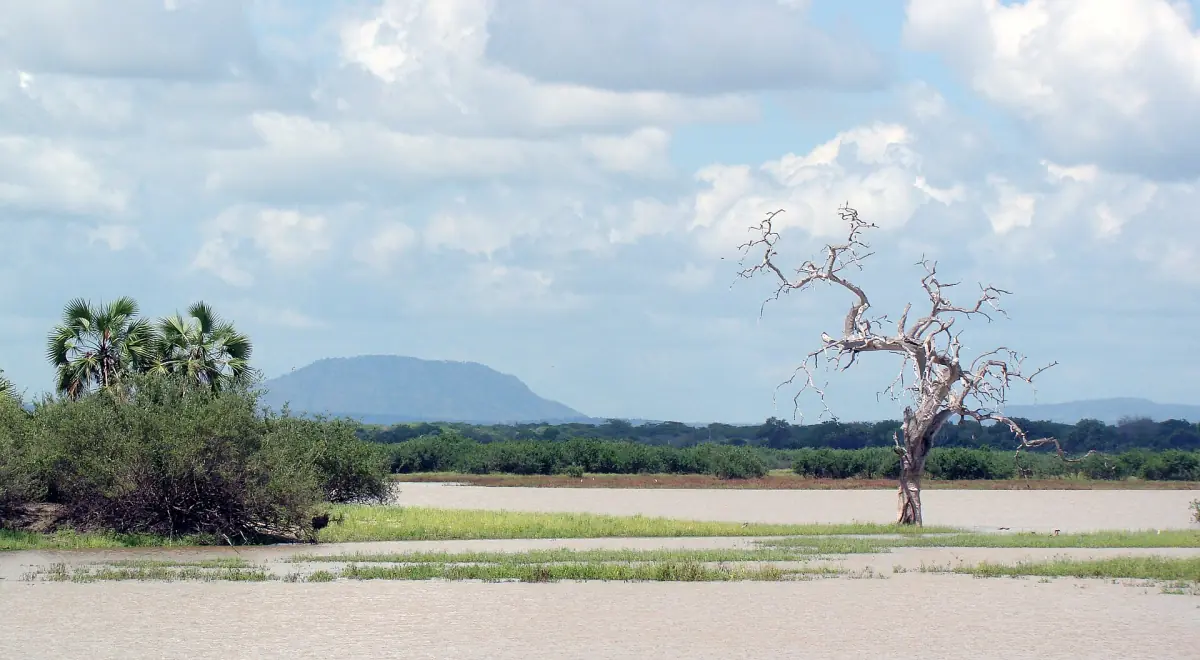
Beho Beho and the grave of Frederick Selous
Beho Beho is a place in the former northern Selous, an area that belongs to the Nyerere National Park today. It is known for the grave of Frederick Courteney Selous, the hunter and explorer whose name the Selous Game Reserve carries. Travellers who book Selous safari trips to this part of the old reserve move through the same hills and river valleys.
The name Selous now covers three things: the historic reserve, the World Heritage site and the smaller Selous Game Reserve that TAWA manages in the south. Beho Beho falls in the part that was separated in 2019 and is run by TANAPA as Nyerere National Park. The park itself, with its fees, boat trips and camps, has its own guide: Nyerere National Park.
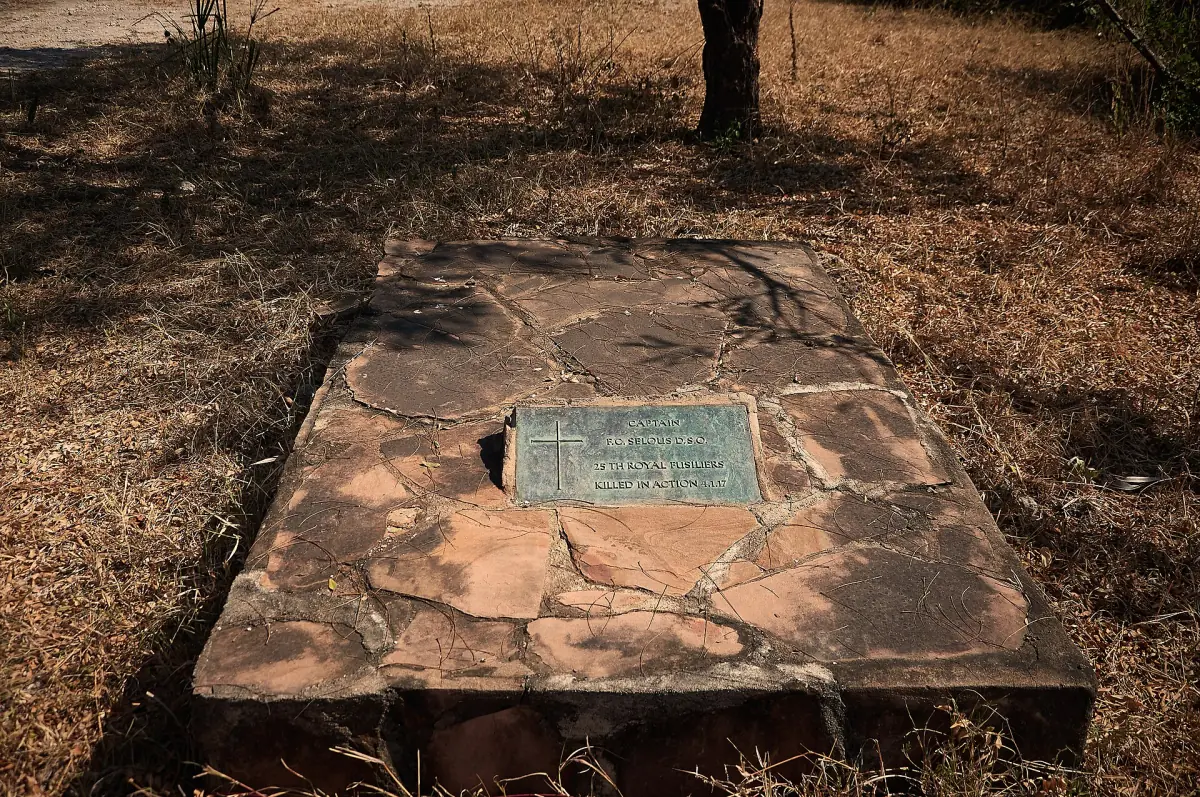
Selous's grave
The place, and what to ask before you go.
Selous is buried at Beho Beho. The grave lies about 3 miles from a camp near Beho Beho, so it is not a stop beside a park gate. Whether you can reach it depends on your route, your operator and the state of the tracks. Do not count on a quick photo stop. Ask when you book, not on the day.
Selous was killed on 4 January 1917 during the First World War campaign in East Africa. The fighting took place at Kisaki, and the grave is at Beho Beho. These are two different places, so keep the names apart when you plan a route.
A memorial to a colonial figure
Visitors come for a piece of the reserve's history, not for a wildlife sighting. The grave belongs to the colonial era, and the man buried there is a contested figure. The next sections explain who he was and what his name stands for.
Our pick: a safari that passes the Beho Beho springs
This four-day fly-in includes the springs at Beho Beho; for the grave, ask the operator before you book.
Hand-picked tours, booked through GetYourGuide. Prices are indicative starting prices in US dollars (as of October 2026). Tap a tour for live availability and the current price in your currency.
Safaris to the area around Beho Beho
Fly-in trips, day trips and longer safaris sold under the Selous name, with live prices and availability.
Kipalala Hill and the landscape around Beho Beho
Hills, rivers and the practical side of the area.
The hill and the river
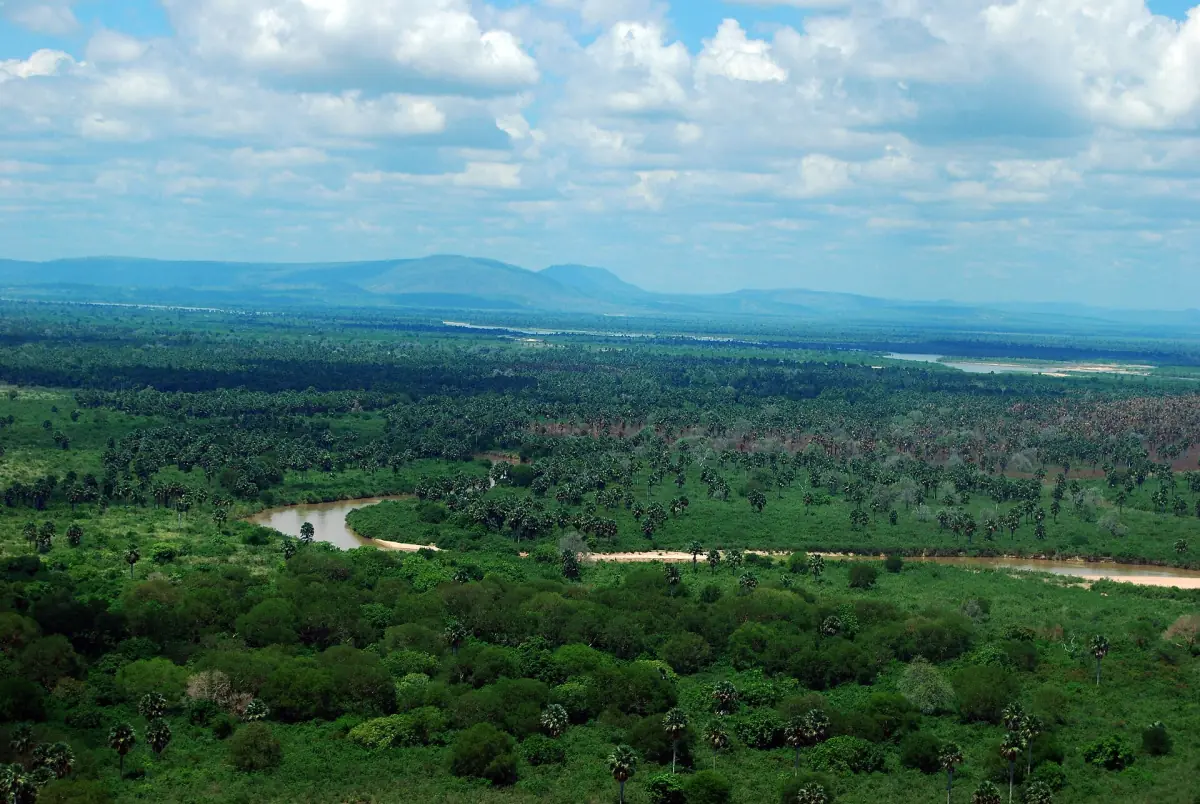
Kipalala Hill rises above the Msine, a tributary of the Beho-Beho river.
What you can do in the park
In Nyerere you can do game drives, boat trips on the Rufiji and guided walking safaris. Walking safaris need advance booking, permits and a ranger escort. For the boat side, see boat safaris on the Rufiji.
Hot springs and Lake Tagalala
Some operators offer excursions to hot springs called Maji Moto and boat trips on Lake Tagalala. Treat them as options to ask about, not as fixed stops. Access and bathing rules can change, and swimming is not something to plan on unless your guide confirms it.
Dry and wet months
In the northern safari area the dry season runs from mid-June to October. Short rains fall in November and December, and heavy rain in April and May. Our weather and best time page goes through the months.
Who was Frederick Selous?
The man behind the name, in short.
Frederick Courteney Selous was born in London on 31 December 1851. He lived as a hunter and ivory trader and worked for Cecil Rhodes's British South Africa Company in Mashonaland. His books include A Hunter's Wanderings in Africa (1881), Travel and Adventure in South-East Africa (1893) and Sunshine and Storm in Rhodesia (1896). He took part in the war in German East Africa and died there in 1917.
The reserve takes its name from Captain Selous, who died in the First World War. Describing him only as an early conservationist leaves out the ivory trade and his place in British colonial expansion. The full story is on the page about Frederick Selous.
Planning a visit to Beho Beho
Fees, roads and the Nyerere connection.
Park fee
Nyerere charges a daily conservation fee. The 2023/24 tariff set $70 for an adult non-East-African visitor in high season (16 May to 14 March) and $60 in low season (15 March to 15 May). Children aged 5 to 15 pay $20, and under 5 is free. The fee runs for 24 hours. Check the current amount before you book, and ask whether your safari price already includes it. More in the Nyerere park fees guide.
Roads and airstrips
TANAPA recommends a 4x4, especially in the rains, and asks that airstrip transfers are arranged in advance. See how to get to the Selous area for flights, roads and the rail situation.
Day trips and longer stays
If the grave matters to you, tell the operator before you book, whichever length of trip you choose. Compare trips from Zanzibar and Dar es Salaam with longer fly-in stays.
More on the Selous and Nyerere
Where to read next.
Beho Beho: frequently asked questions
Where is Selous buried?
At Beho Beho, in the former northern Selous, which is part of Nyerere National Park today. The grave is about 3 miles from a camp near Beho Beho.
Is Beho Beho in the Selous Game Reserve or in Nyerere?
It lies in the former northern Selous, which became Nyerere National Park in 2019. The Selous Game Reserve that TAWA manages today covers 18,020 square kilometres further south.
Can I visit Selous's grave?
Access is not guaranteed. It depends on your route, your operator and the track conditions. Ask before you book and plan the visit with your guide.
Are there hot springs at Beho Beho?
Some operators offer excursions to hot springs called Maji Moto. Whether you can reach them, and whether bathing is allowed, depends on current conditions. Ask your guide and do not plan on a swim.
Do I pay a park fee?
Yes, the Nyerere conservation fee applies per person and day. The 2023/24 tariff set $70 for adult non-East-African visitors in high season. Check the current amount and what your safari price includes.
When is the dry season near Beho Beho?
From mid-June to October. Short rains fall in November and December, and heavy rain in April and May.