Selous Game Reserve animals
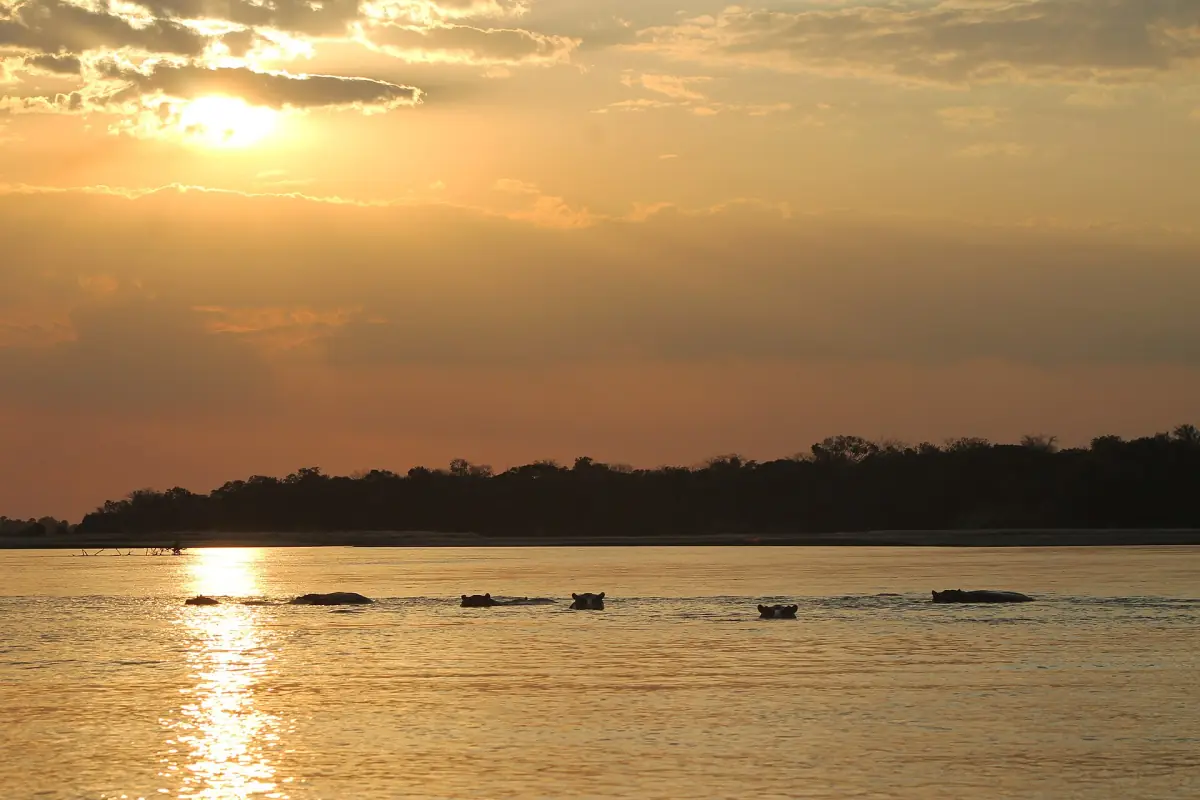
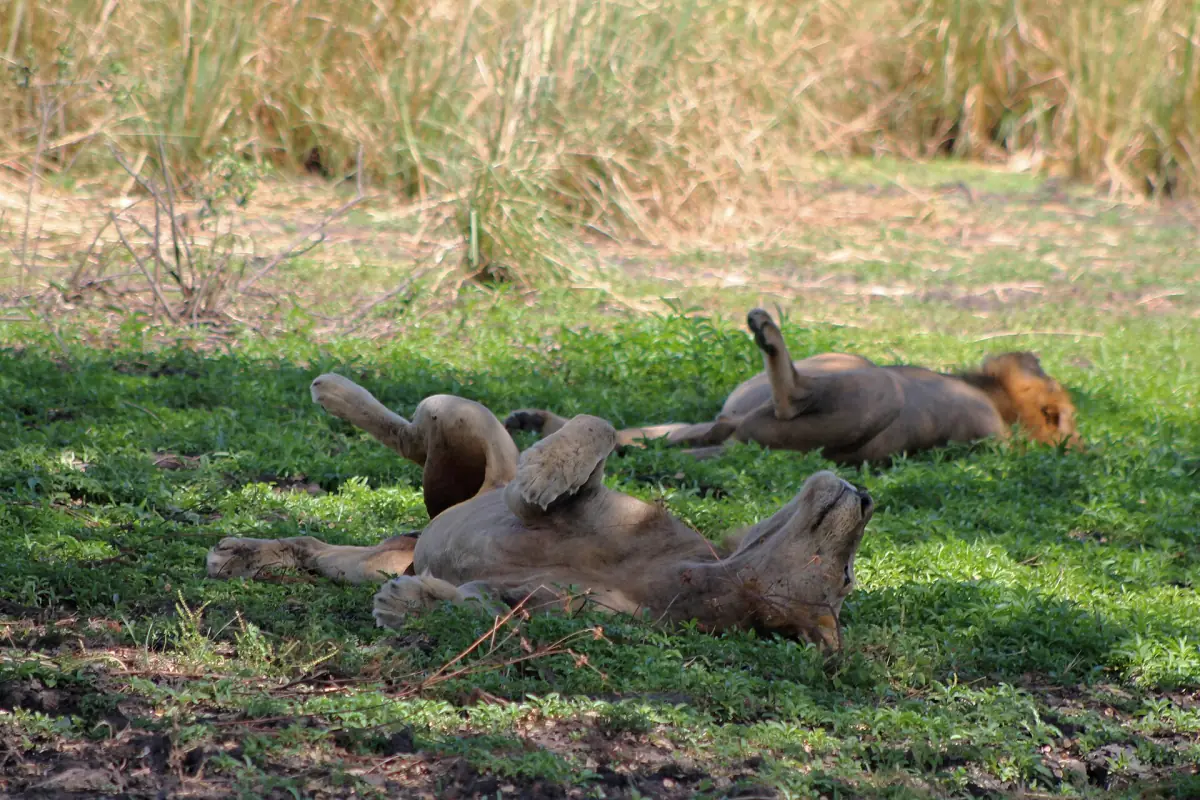
Elephants, lions, leopards, buffalo, hippos, crocodiles and African wild dogs live in today's Selous Game Reserve. Lions, elephants, buffalo, hippos, crocodiles and wild dogs live in the Nyerere National Park, the northern part that was separated in 2019. Living in an area is not a promise that you will see an animal. Sightings depend on the day, the season and your guide.
Many photo safaris that carry the Selous name visit Nyerere, so that is where visitors often see these animals. You can compare Selous safari trips below, and the names are explained on the page about how Nyerere was split off in 2019.
Which animals for which area
The species differ by area, so read this as a set of examples, not a full checklist.
| Area | Animals | Notes |
|---|---|---|
| Selous Game Reserve today (TAWA) | Elephants, lions, leopards, buffalo, hippos, crocodiles, African wild dogs | South-eastern Tanzania; privately leased hunting concessions |
| Nyerere National Park (TANAPA) | Lions, elephants, buffalo, hippos, crocodiles, wild dogs; birds such as African fish eagles, African skimmers, bee-eaters and kingfishers | Game drives, boat trips and walking safaris |
| World Heritage landscape (UNESCO) | Sable antelope, Nyassa wildebeest; miombo woodland, grassland, riverine forest and swamps | Description of the World Heritage landscape, not a current count |
For most visitors, the Nyerere column is the one that matters: that is where the game drives, boat trips and walking safaris take place.
Our pick: a fly-in safari with a full-day game drive
A full day of game viewing in the park, plus a boat ride on the Rufiji for hippos and crocodiles.
Hand-picked tours, booked through GetYourGuide. Prices are indicative starting prices in US dollars (as of October 2026). Tap a tour for live availability and the current price in your currency.
Wildlife safaris in the Selous and Nyerere area
Game drives, boat safaris and fly-in trips, with live prices and availability.
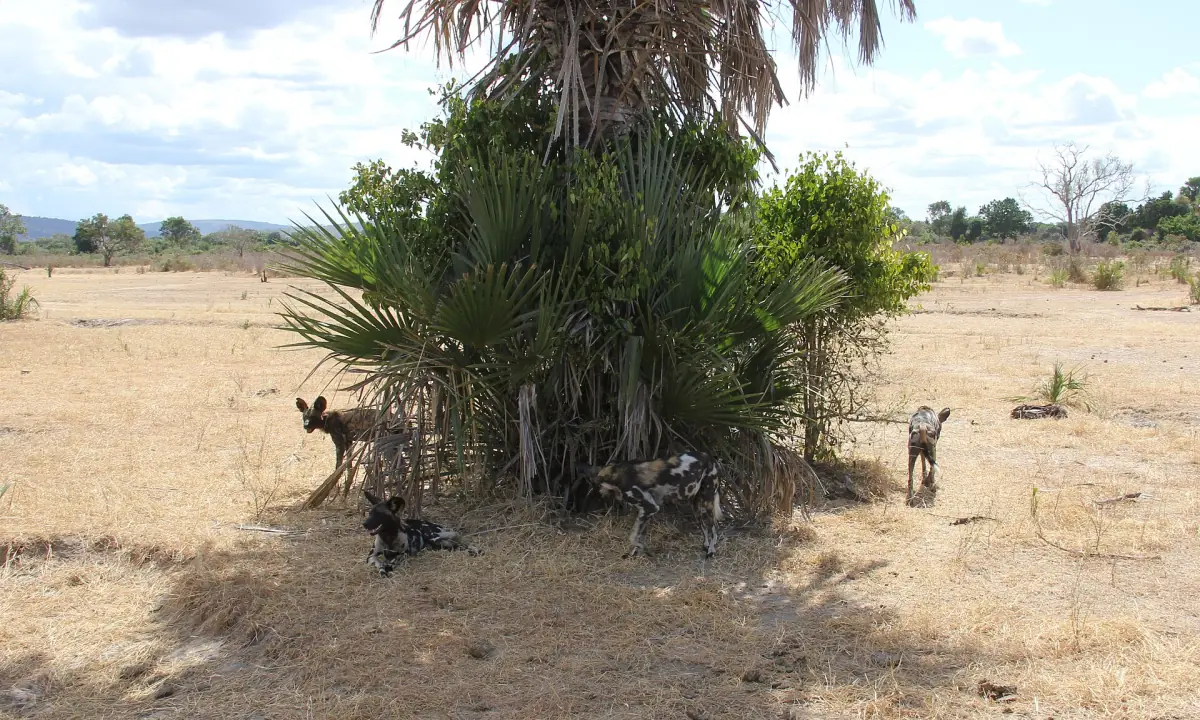
Selous wild dogs
One of the animals the area is known for.
African wild dogs live in the TAWA reserve and in Nyerere. A sighting needs luck and a good guide. For where to look and how the packs behave, see wild dogs in Nyerere.
In 2026 UNESCO asked for an urgent mission to review the populations of wild dogs, elephants, rhinos and hippos. Any population figures you read online are older than that review.
Lions, elephants, hippos and crocodiles
What each of them means for your trip.
Elephants
Elephants live in both areas. The survey counts and the poaching story are on the Selous elephants page.
Lions and leopards
Lions live in both areas, leopards in the TAWA reserve. Sightings are never certain.
Hippos and crocodiles
Hippos and crocodiles live in and along the water. Boat trips on the Rufiji in Nyerere bring you close. Wear the life jacket, and keep arms and legs inside the boat.
Buffalo
Buffalo live in both areas. As with all large animals, keep your distance and follow the ranger's instructions.
Birds and habitats
Why the numbers differ.
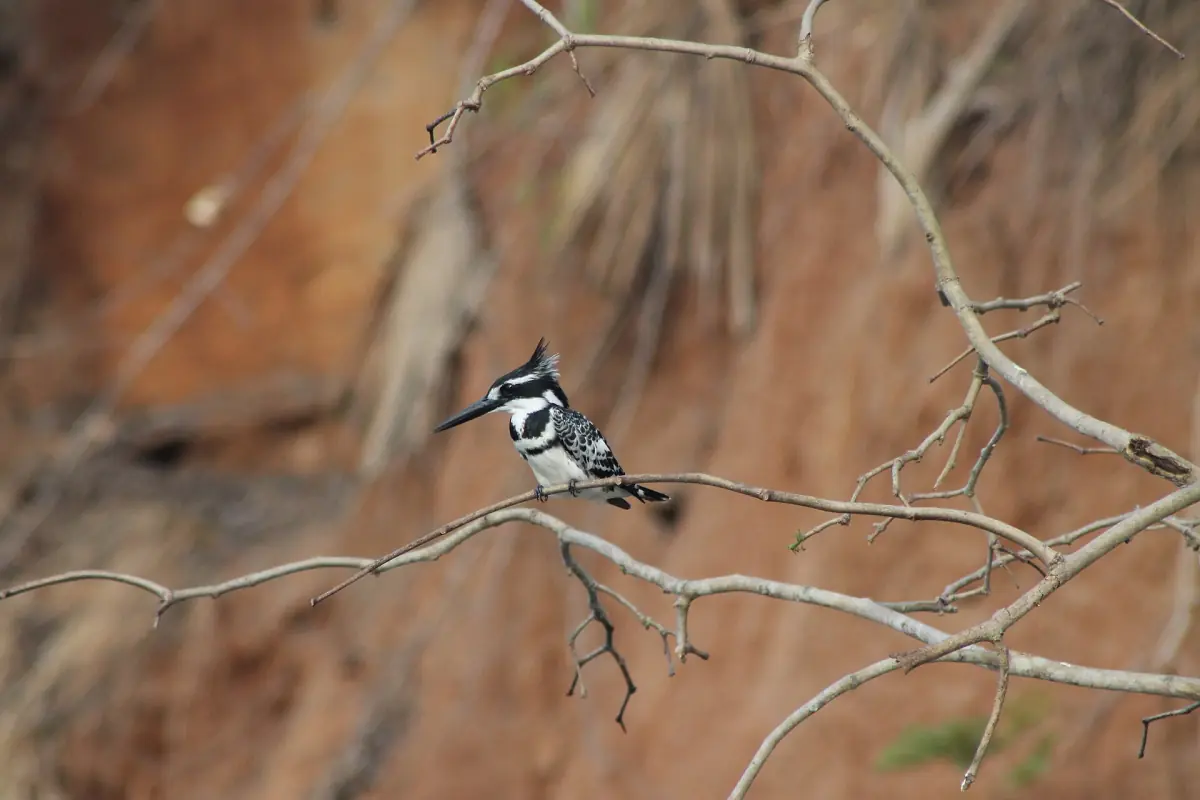
In Nyerere you can look for African fish eagles, African skimmers, bee-eaters and kingfishers. Bird lists run from 58 species for the TAWA reserve to 350 for the World Heritage area and more than 440 for Nyerere. The areas and years differ, so treat any single number as a rough guide.
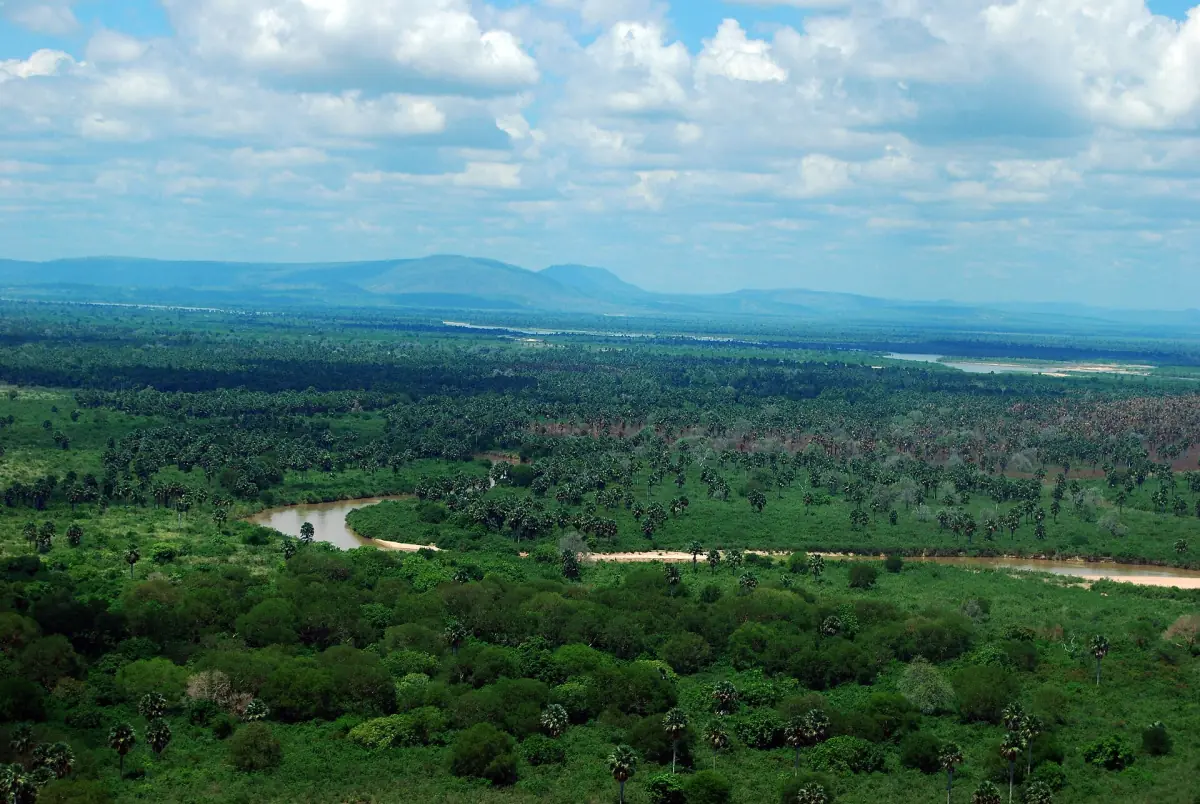
The World Heritage landscape combines miombo woodland, grassland, riverine forest and swamps.
How to see wildlife responsibly
The rules in short.
Stay on the tracks
Use the marked tracks, keep your distance and follow the rangers' instructions.
Do not feed animals
Feeding the animals is not allowed.
Drones
Drones are allowed only with a special permit.
Walking safaris
Guided walking safaris need advance booking, permits and a ranger escort. More in walking safaris in Nyerere.
Activities and add-on fees in Nyerere
2023/24 tariff for non-East-African visitors and residents. Check current amounts before you book.
| Activity | Fee | Notes |
|---|---|---|
| Walking safari, short | $20 | Advance booking, permits and a ranger escort |
| Walking safari, long | $25 | Advance booking, permits and a ranger escort |
| Canoe trip | $20 per 2 hours | Children $10 |
| Night game drive | $50 | Children $25 |
| Park guide | $40 per group and day | For the group, not per person |
A tariff line does not show that an activity runs every day, so ask your operator which ones are available on your dates. For a first visit, a mix of game drives and a boat trip covers the animals above.
Selous animals: frequently asked questions
Which animals live in the Selous Game Reserve?
Elephants, lions, leopards, buffalo, hippos, crocodiles and African wild dogs. The wider World Heritage landscape also has sable antelope and Nyassa wildebeest.
Can I see wild dogs in the Selous?
Wild dogs live in the TAWA reserve and in Nyerere. A sighting is possible but never certain.
Where do most visitors see the animals?
In Nyerere National Park, where TANAPA runs game drives, Rufiji boat trips and guided walking safaris.
How many bird species are there?
Bird lists range from 58 to more than 440 species, depending on the area. There is no single figure for the whole landscape.
Is poaching still a problem?
Poaching and the fall in elephant numbers led to the 2014 danger listing, and whether it has stopped is an open question. In 2026 UNESCO asked for an urgent mission to review the populations of elephants, rhinos, wild dogs and hippos.
Which birds can I look for in Nyerere?
African fish eagles, African skimmers, bee-eaters and kingfishers are typical examples.