The history of the Selous in short
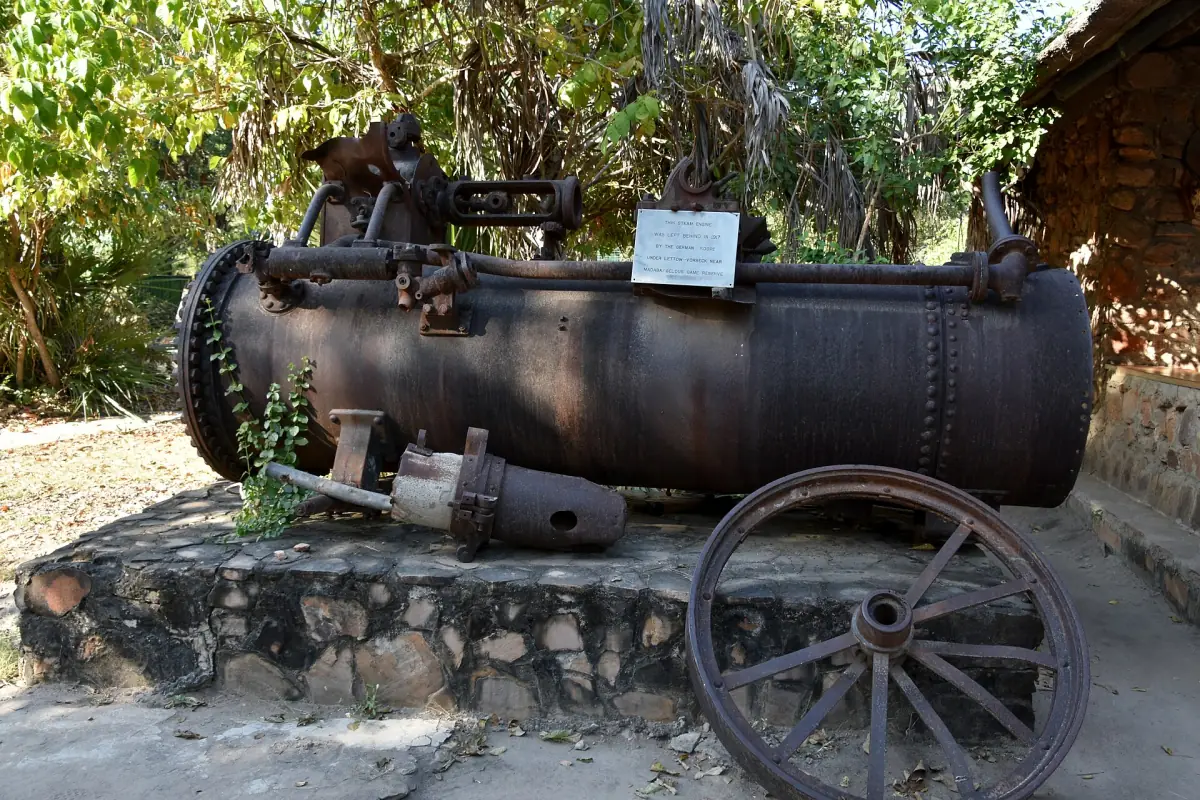
Protection in this part of Tanzania began in the German colonial period. The early reserves date to 1896 or 1905, so no single year marks a founding. The reserve under British rule dates to 1922, and its later legal designation to 1974 (GN 275). The reserve carries the name of Frederick Courteney Selous, but he did not found it.
Today the name covers a smaller area than it once did. The northern part became the Nyerere National Park in 2019, and the rest, 18,020 km², is run as a game reserve. If you came here to plan a trip, see our Selous safari page, and for the man behind the name read about Frederick Selous.
Timeline
From the first reserves to the present.
| Year | What happened |
|---|---|
| 1896 or 1905 | Early German protected areas |
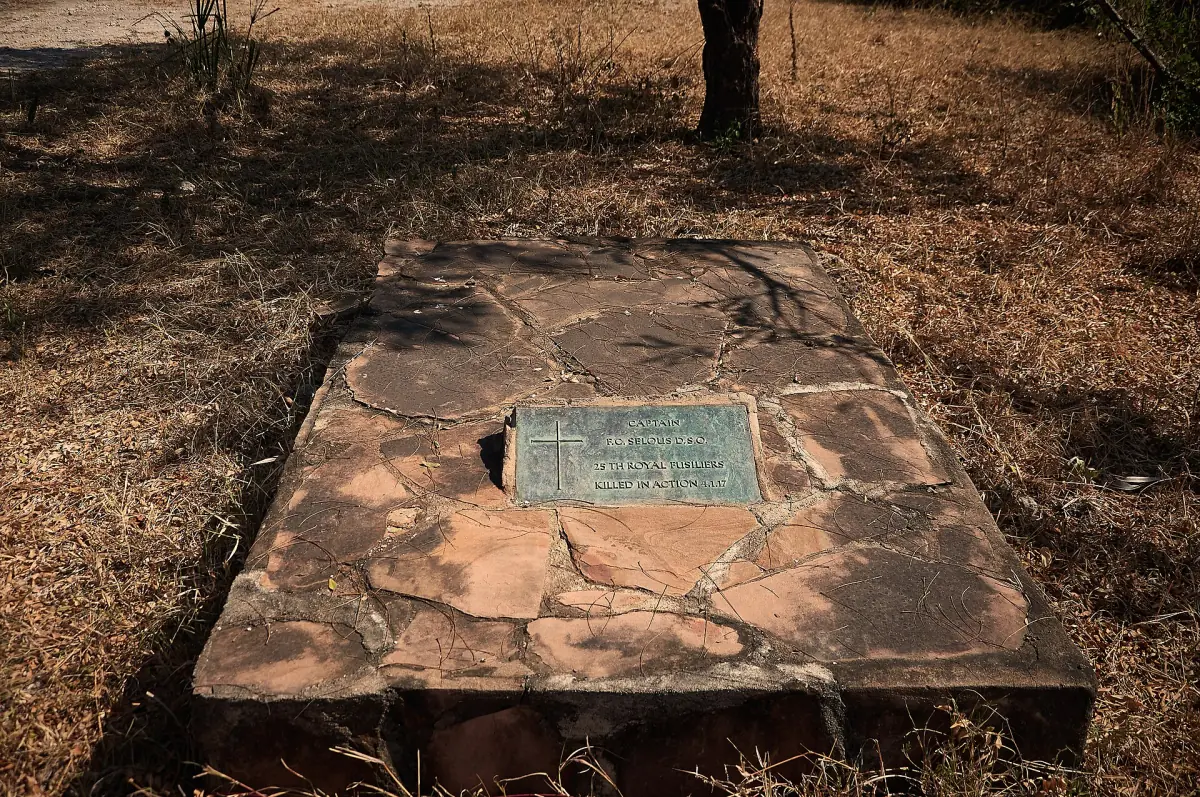
| 1917 | Frederick Selous dies in East Africa, 4 January |
| 1922 | The reserve under British administration |
| 1933 | Constantine Ionides joins the Game Department |
| 1974 | Legal designation, GN 275 |
| 1982 | Inscribed as a World Heritage site |
| 2014 | Placed on the List of World Heritage in Danger |
| 2019 | Nyerere National Park, 30,893 km², separated from the north |
| 2025 | All nine turbines of the Julius Nyerere hydropower station in operation |
Read the table as a map of changes: the area was drawn, enlarged, inscribed, then divided. For the northern part and its safaris, see how Nyerere was split off in 2019.
Our pick: a road safari in the former Selous
Nyerere National Park was part of the Selous until 2019. This two-day trip visits it from Dar es Salaam.
Hand-picked tours, booked through GetYourGuide. Prices are indicative starting prices in US dollars (as of October 2026). Tap a tour for live availability and the current price in your currency.
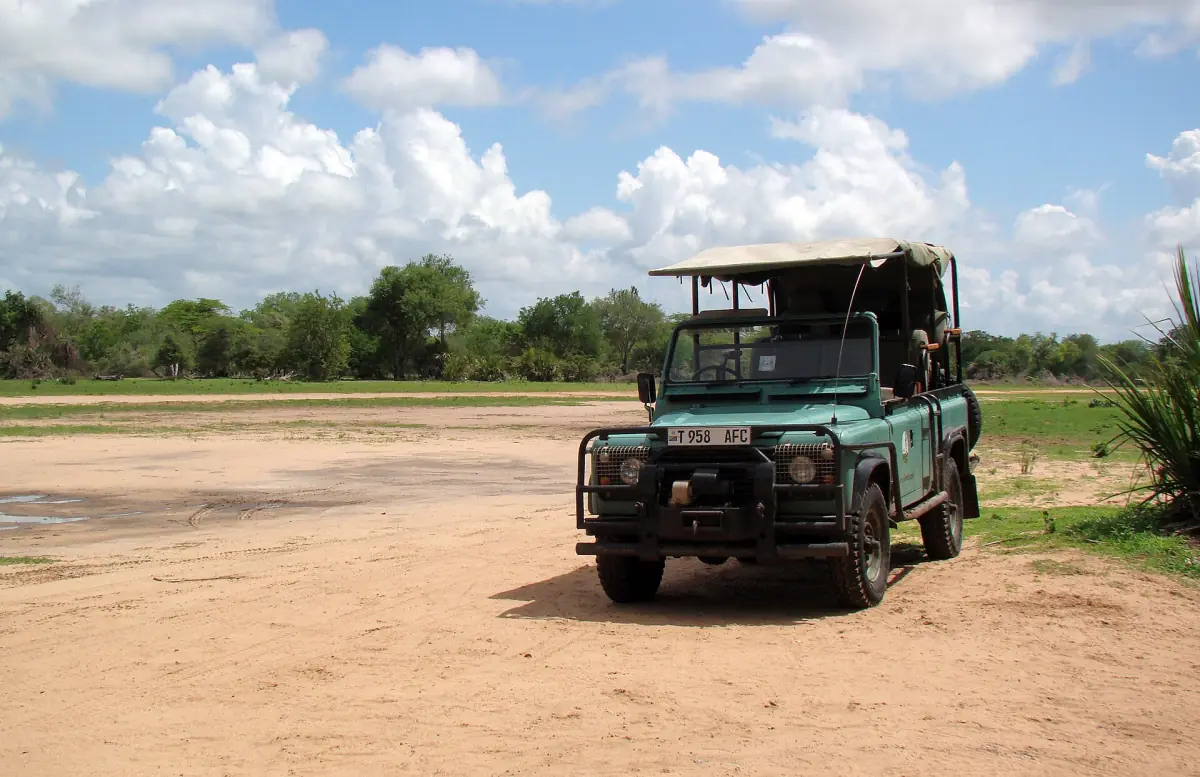
Safaris in the former Selous
Fly-in day trips, boat safaris and game drives to the Rufiji, with live prices and availability.
From German reserves to the reserve of today
How the area changed.
German period and British reserve
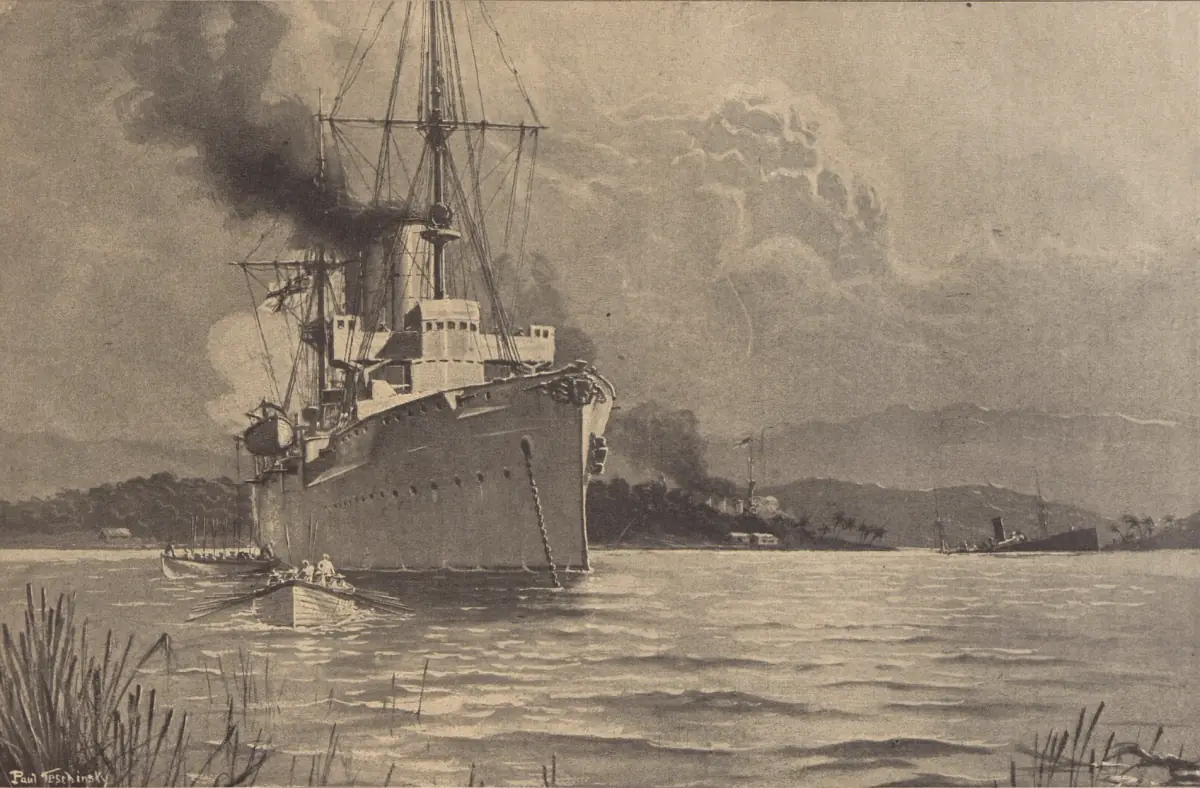
The first protected areas date to German rule, in 1896 or 1905. In 1922 the British administration set up the reserve that counts as the start of the Selous Game Reserve. The early history is a patchwork of reserves that were later joined.
The name Selous
Frederick Selous was born in London in 1851 and died in January 1917 in East Africa. He lived as a hunter and ivory trader and worked for Cecil Rhodes's British South Africa Company. The reserve is named after him, not founded by him, and his place in colonial history should be read with the ivory trade in mind.
Frederick Selous →Growth and resettlement
Constantine Ionides, who joined the Game Department in 1933, was a driving force behind the enlargement of the reserve and the removal of settlements. It would be wrong to picture an empty, untouched area, because people lived here before the reserve.
Listing and crisis
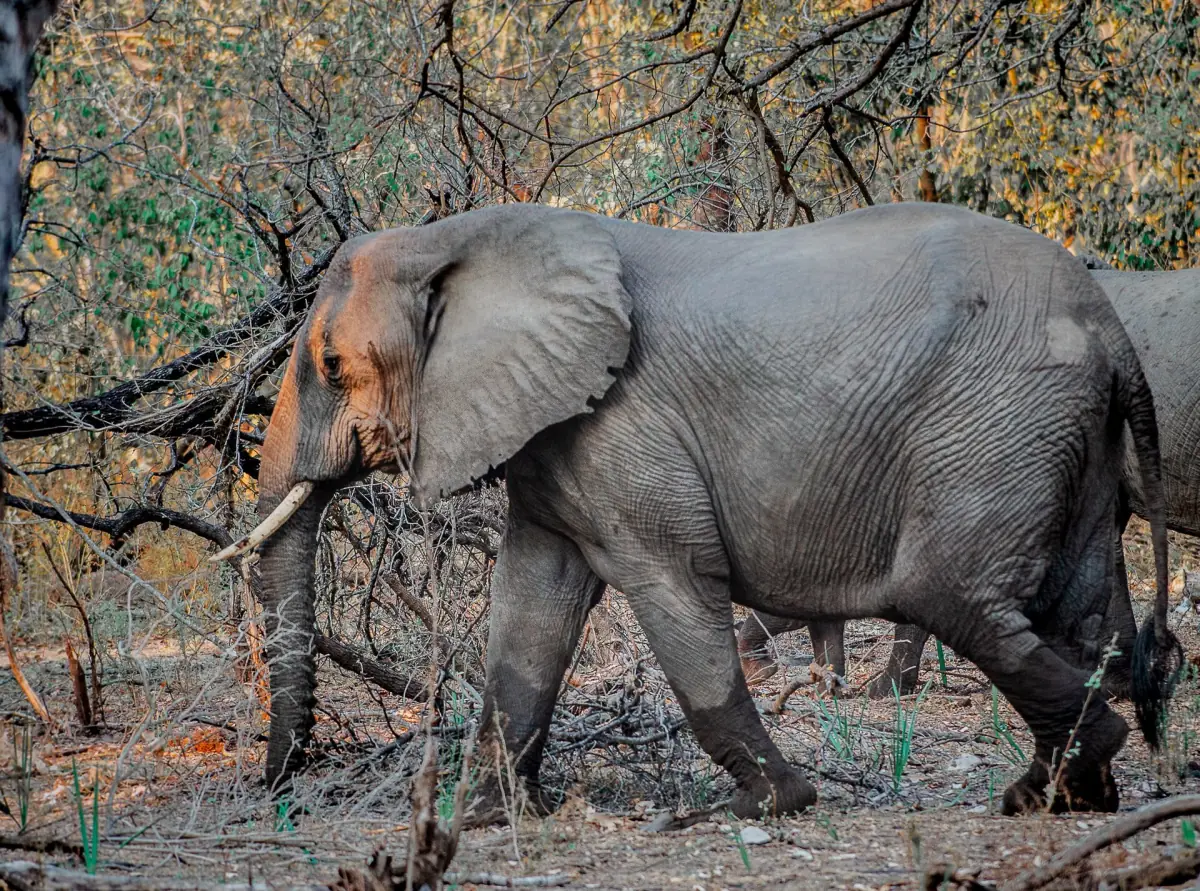
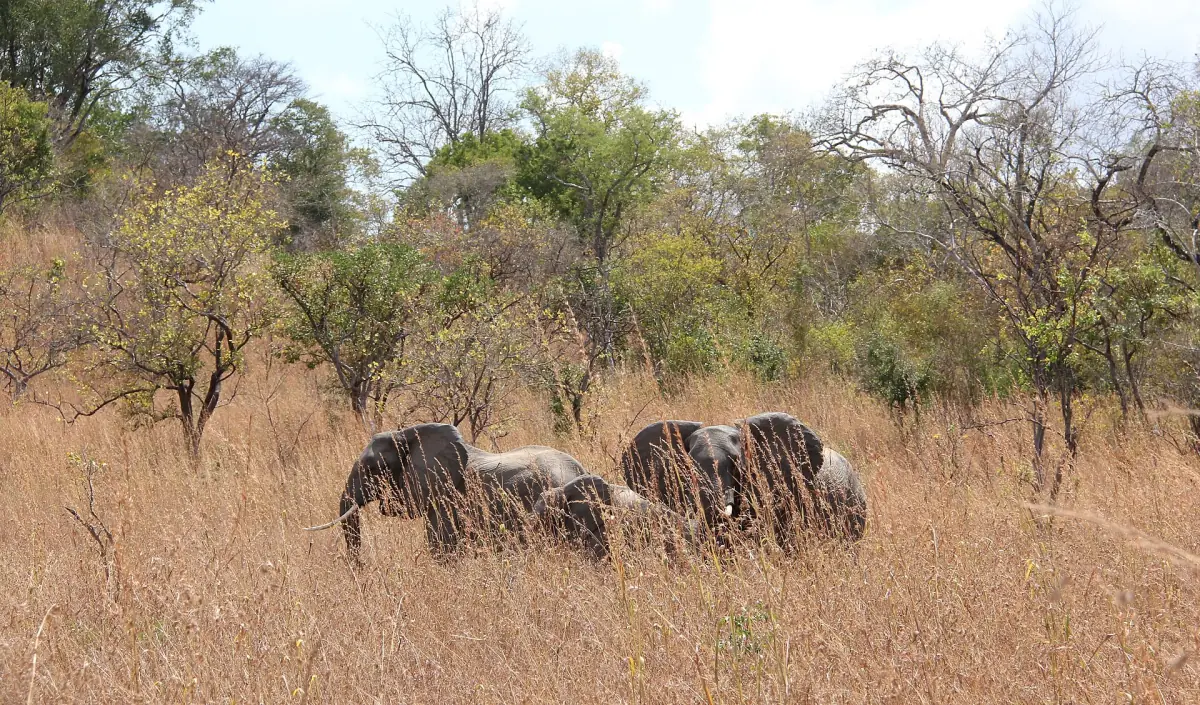
UNESCO inscribed the area in 1982 and placed it on the danger list in 2014. Poaching and the sharp fall in elephant numbers were named as the reason. When monitoring began in 1976, about 109,000 elephants were estimated. See the World Heritage page and the elephant counts.
The 2019 split
In 2019 the northern part became the Nyerere National Park, named after Julius Kambarage Nyerere, Tanzania's first president. The park covers 30,893 km² and is run by the park authority, while the reserve is run by the wildlife authority. Details on the northern park and its dam are on the Nyerere history page.
Selous hunting
A history that still shapes the reserve.
Hunting in the past
The reserve's name comes from a hunter, and hunting is part of the area's story from the colonial period. Poaching later cut elephant numbers sharply.
Hunting concessions today
Parts of the reserve are leased to private companies as hunting concessions today. This is separate from the photo tourism in the Nyerere National Park. Operators, quotas and prices are not part of this guide.
What it means for visitors
Photo activities are allowed in leased hunting blocks by law, and working with another company needs the prior written approval of the authority's director. For most visitors, a photo safari means the Nyerere part. Read where to stay and how to get to Selous next.
Selous history: frequently asked questions
When was the Selous Game Reserve founded?
The reserve under British rule dates to 1922 and its later legal designation to 1974. Early German reserves date to 1896 or 1905, so there is no single founding year.
Who was Frederick Selous?
He was a British hunter, explorer and ivory trader, born in 1851 and killed in East Africa on 4 January 1917. The reserve is named after him.
Is hunting still allowed in the Selous?
Parts of the reserve are leased as hunting concessions today. Photo tourism in the Nyerere National Park is separate from this.
When did the Nyerere National Park split from the Selous?
In 2019. The park covers 30,893 km² in the north and is run by the park authority.
How big is the Selous Game Reserve today?
18,020 km², run by TAWA in the regions of Lindi and Coast. The northern part, 30,893 km², became Nyerere National Park in 2019.