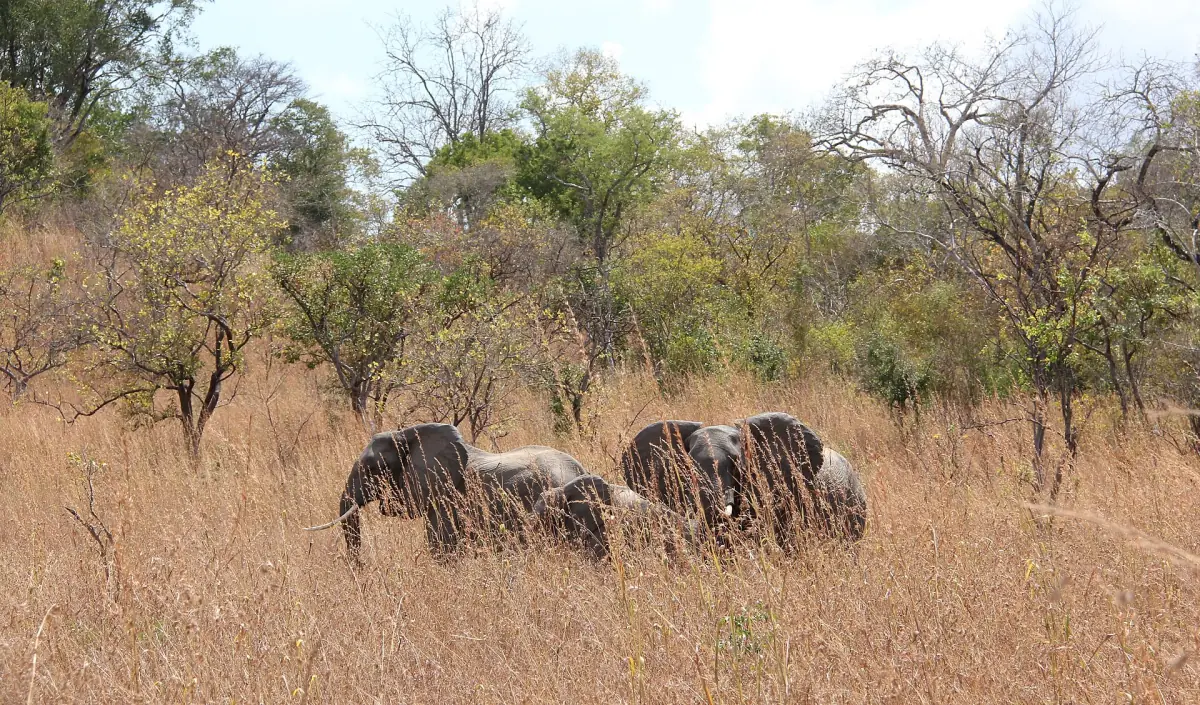
The elephants of the Selous
When monitoring began in 1976, the Selous held roughly 109,000 elephants. "Around 110,000" is a rounding of that historic size. Poaching then cut the population sharply, and the fall was one of the reasons the site was placed on the danger list in 2014. That figure describes the old, much larger reserve, not the smaller Selous Game Reserve of today.
The most recent estimate is a 2022 survey of the wider ecosystem, which counts 20,006 elephants. It covers Nyerere, Selous and Mikumi together, so it is not a head count for any one park. If you want to look for elephants, see the Selous safari trips below and the notes on where to go.
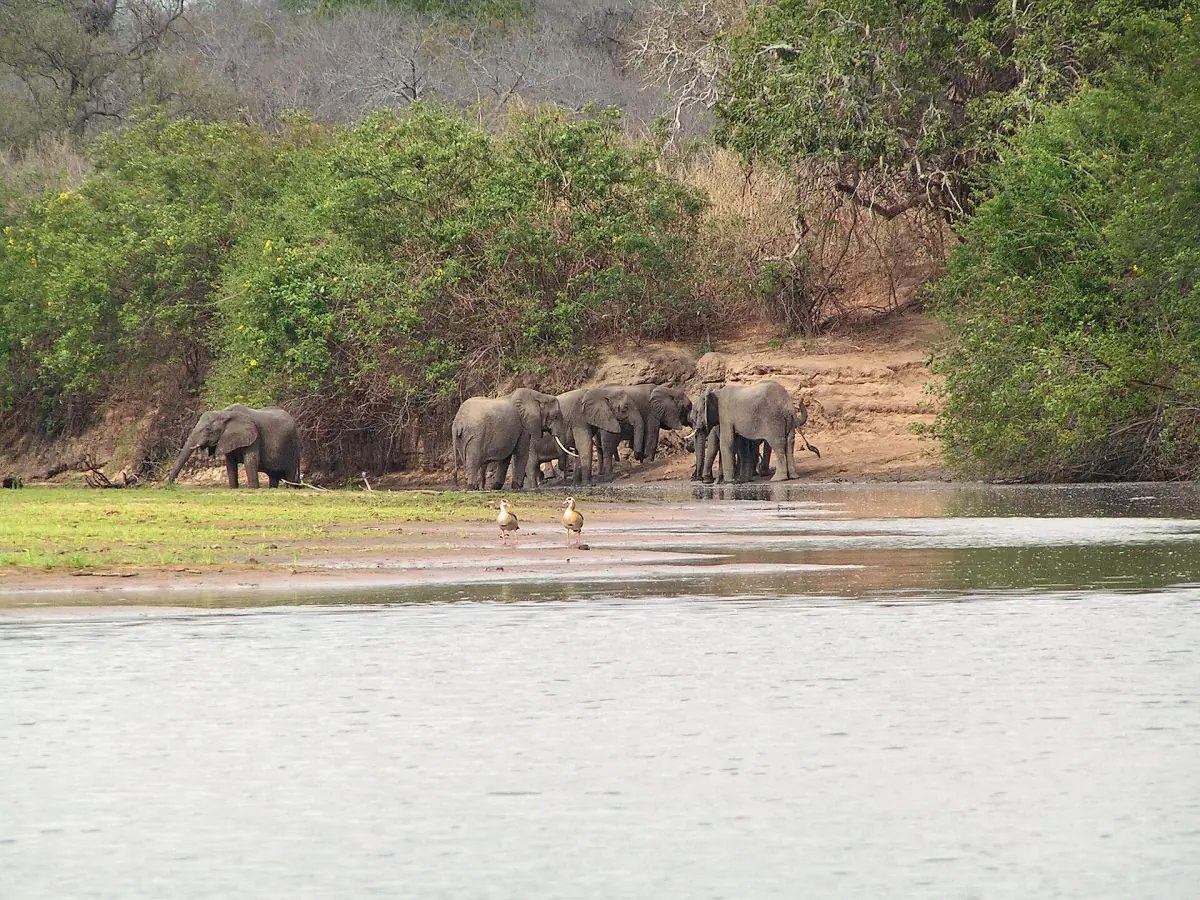
Selous elephant counts, 2013 to 2022
Survey estimates for the wider ecosystem. The ± value is the statistical margin of the estimate, not a minimum count.
| Survey year | Elephants (estimate) | Area |
|---|---|---|
| 2013 | 13,084 ± 1,816 | Ecosystem comparison series |
| 2014 | 15,217 ± 1,800 | Ecosystem comparison series |
| 2018 | 15,501 ± 1,819 | Ecosystem comparison series |
| 2022 | 20,006 ± 1,793 | Nyerere-Selous-Mikumi, 101,537 km² surveyed |
A separate count for 2013 gave 13,683 ± 1,967 for the Selous-Mikumi ecosystem, so older series do not match exactly. The 2022 survey took place in October and November and found a moderate recovery with few fresh carcasses. The sensible reading is this: the latest estimate is from 2022, it covers the whole ecosystem, and there is no separate figure for today's Selous Game Reserve.
Our pick: a four-day safari for wildlife viewing
Game drives in two parks over four days give you time to look for elephants, though no tour can promise a sighting.
Hand-picked tours, booked through GetYourGuide. Prices are indicative starting prices in US dollars (as of October 2026). Tap a tour for live availability and the current price in your currency.
Safaris where elephants are among the animals
Game drives, boat trips and fly-in safaris in the Selous and Nyerere area, with live prices and availability.
Selous poaching: what is known
The crisis, the recovery and the open questions.
The crisis
Poaching drove the fall from about 109,000 elephants in 1976. When UNESCO listed the site as in danger in 2014, it named poaching and the dramatic decline of the elephants as the danger. The wider history of the reserve is on the history page.
The recovery
The counts above show a rise from 2013 to 2022. That is a trend up to 2022, not a promise that it has continued since. The survey also found few fresh carcasses.
The open questions
The 2022 survey is the latest count, and whether poaching has stopped is an open question. In 2026 UNESCO asked for an urgent mission to review the populations of elephants, rhinos, wild dogs and hippos. The World Heritage page explains the process.
Where to see elephants
Chances, not guarantees.
Elephants live in today's Selous Game Reserve and in Nyerere National Park. Chances are good on a game drive or a boat trip, but a sighting is never guaranteed.
Most visitor trips use the park side. For what Nyerere offers, see wildlife in Nyerere National Park. The 2022 count covers the wider ecosystem, which includes the neighbouring Mikumi National Park, covered in Mikumi wildlife. The cross-border side is described on the Selous Niassa corridor page.
On a safari, use the marked tracks, never feed animals, keep your distance and follow the rangers' instructions. Drones are allowed only with a special permit. On boat trips, wear a life jacket and keep arms and legs inside the boat.
Planning an elephant safari
Fees, access and how to read the figures.
Park fee
Nyerere charges a daily conservation fee. The 2023/24 tariff set $70 for an adult non-East-African visitor in high season (16 May to 14 March) and $60 in low season (15 March to 15 May). Check the current amount before you book, and ask whether your safari price includes it. The fee runs for 24 hours. See Nyerere park fees.
Getting there
TANAPA recommends a 4x4, especially in the rains, and asks that airstrip transfers are arranged in advance. Flights, roads and the rail situation are on the getting there page.
How to read the figures
Three things matter: the year of the survey, the area it covers and the margin after the ± sign. A figure for the whole ecosystem says little about what you will see on one game drive.
Selous elephants: frequently asked questions
How many elephants are in the Selous?
The latest estimate is from 2022: 20,006 ± 1,793 for the Nyerere-Selous-Mikumi ecosystem over 101,537 km². There is no separate number for today's Selous Game Reserve.
How many elephants were in the Selous in the past?
When monitoring began in 1976, there were roughly 109,000 in the old Selous. Poaching reduced that number sharply in the following decades.
Are the elephants recovering?
The counts from 2013 to 2022 show a moderate rise. That is a trend up to 2022, and the latest count is from that year.
Will I see elephants on a safari?
Chances are good in the Selous and Nyerere area, but no safari can promise a sighting. Game drives and boat trips both give you chances.
What did UNESCO say about the elephants?
In 2014 UNESCO named poaching and the dramatic decline of the elephants as the danger when it listed the site as in danger. In 2026 it asked for an urgent mission to review the populations of elephants, rhinos, wild dogs and hippos.
What does the ± in the counts mean?
It is the statistical margin of the estimate, not a minimum count.