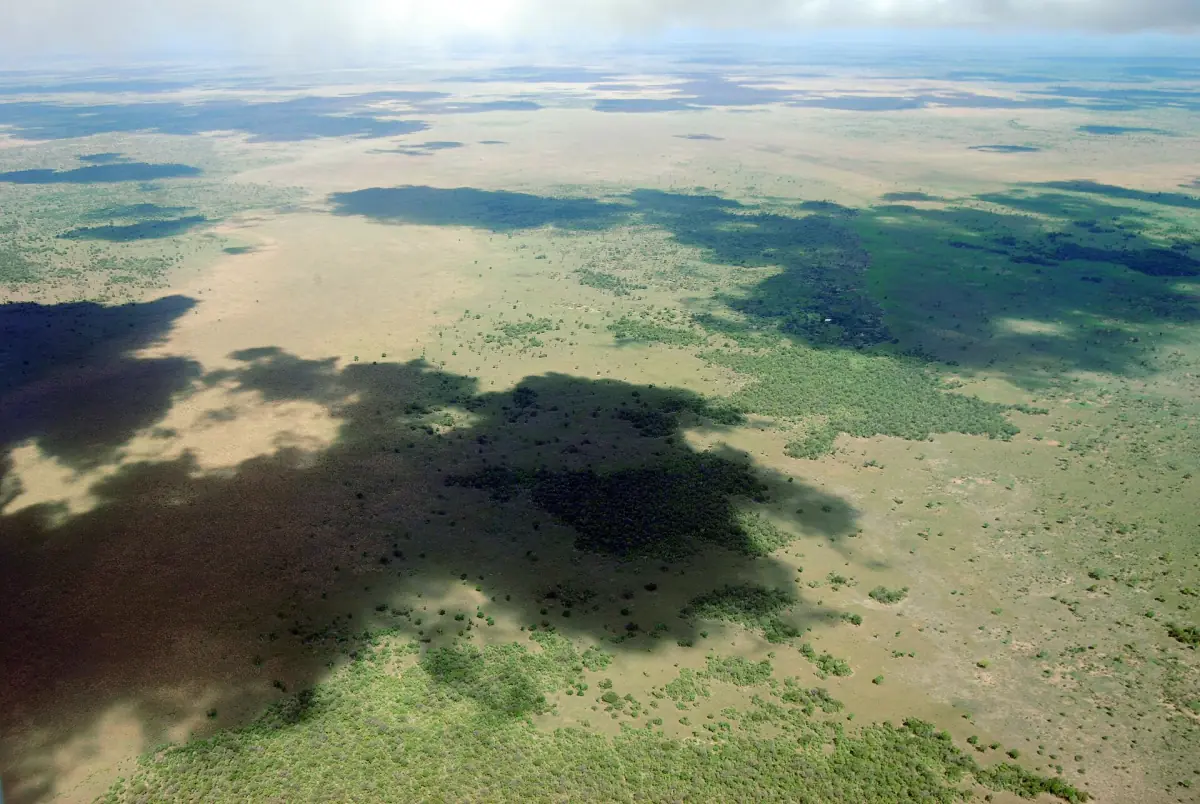
Selous Game Reserve as a World Heritage site
UNESCO inscribed the Selous Game Reserve on the World Heritage List in 1982 under natural criteria (ix) and (x). Those criteria cover ecological processes and biological diversity. They describe the value of the landscape, not a current animal count. A small boundary change followed in 2012.
Since 2014 the site has been on the List of World Heritage in Danger, which many people call the red list. In 2026 the World Heritage Committee kept it there. The site has not been removed from the World Heritage List, and it still carries the name Selous, even though the national park that was separated in 2019 is called Nyerere. If you want to see the area, look at Selous safari options and read below how the names fit together.
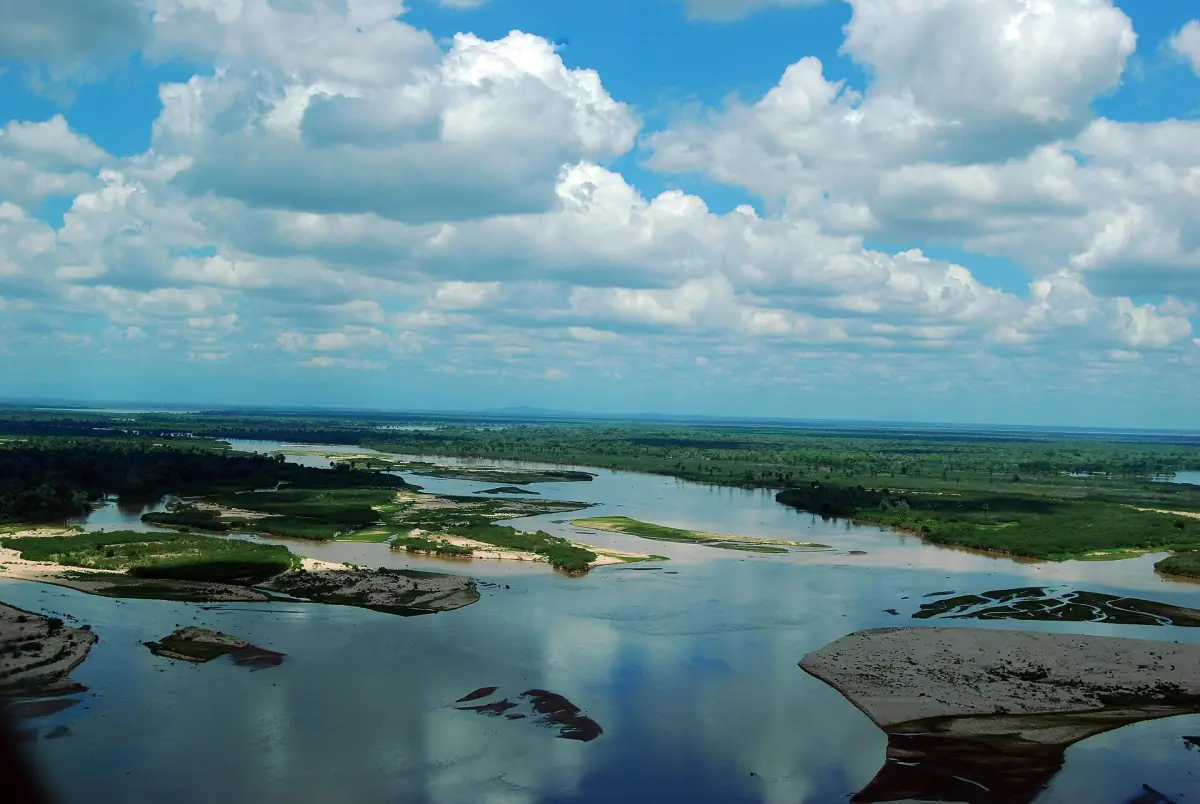
Selous status: the key dates
From inscription to the 2026 decision.
| Year | What happened |
|---|---|
| 1982 | Inscribed on the World Heritage List under criteria (ix) and (x) |
| 2012 | Minor boundary change |
| 2014 | Placed on the danger list because of poaching and the dramatic fall in elephant numbers |
| 2019 | Nyerere National Park is created from the northern part of the old reserve |
| April 2025 | All 9 turbines of the Julius Nyerere hydropower dam are in operation |
| 2025 | The Committee asks for work on the Kidunda dam to be suspended until the cumulative impacts are reviewed |
| 2026 | The Committee keeps the site on the danger list and names dam and uranium projects as cumulative, irreversible threats |
For most readers the useful point is simple: the status has not been lifted, and the 2026 decision keeps it in place.
Our pick: a camp safari in the former Selous
Nyerere National Park was part of the Selous until 2019. This trip covers it over three days with a boat ride and a full-day game drive.
Hand-picked tours, booked through GetYourGuide. Prices are indicative starting prices in US dollars (as of October 2026). Tap a tour for live availability and the current price in your currency.
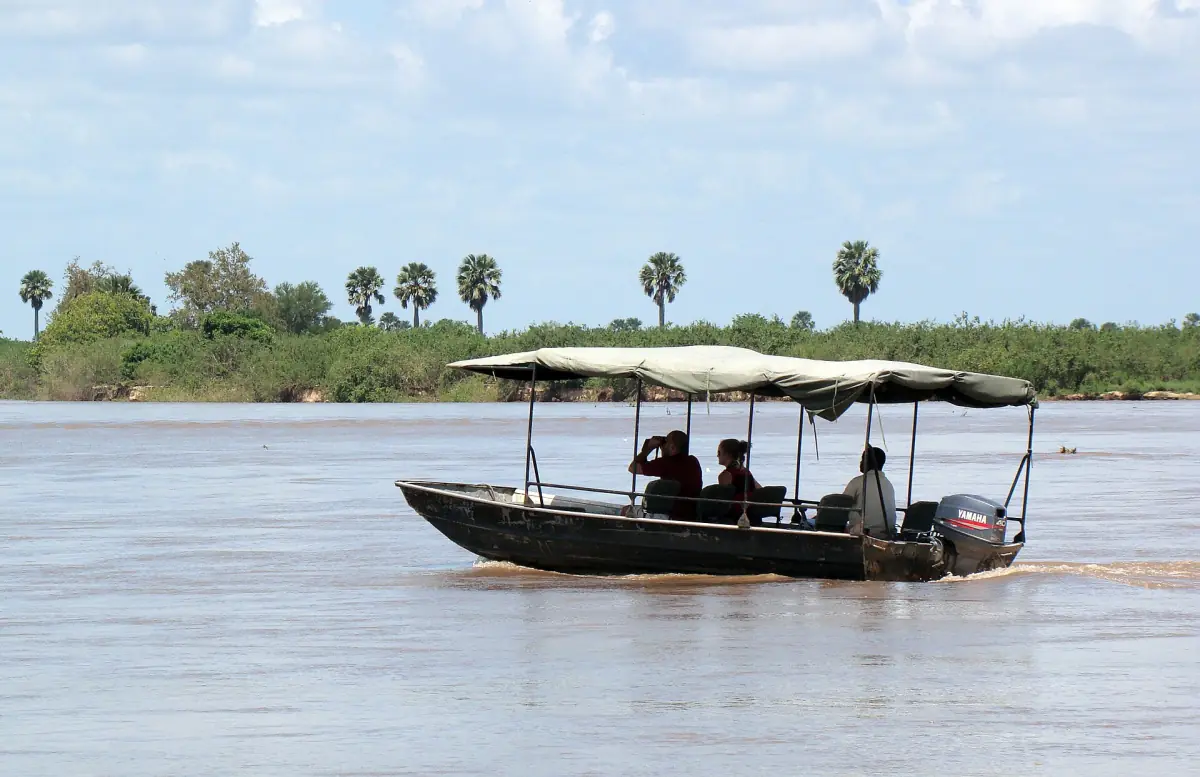
Safaris in the Selous and Nyerere area
Fly-in trips, boat safaris and day trips sold under the Selous name, with live prices and availability.
Why the Selous is on the danger list
The original reason and the threats named today.
2014: poaching and elephants
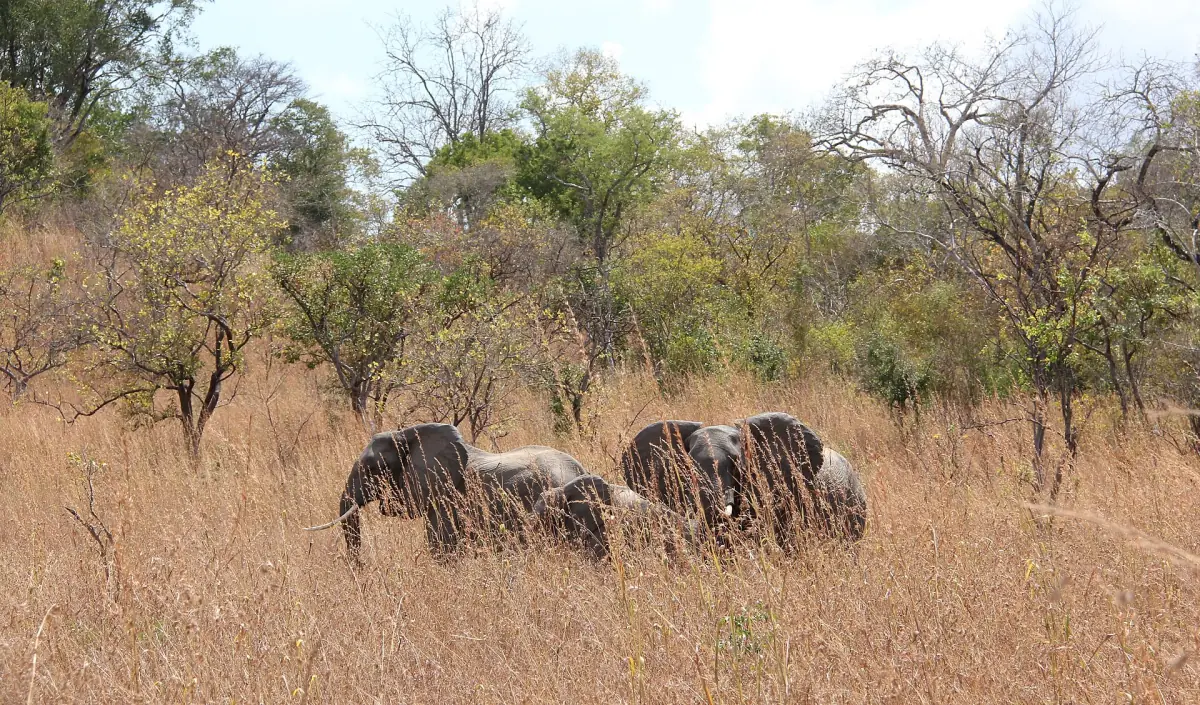
The 2014 decision named poaching and the dramatic decline of the elephants as the danger. Today's dam and mining concerns were not the original reason for the listing. The history of the elephants has its own page: Selous elephants.
2026: dams and uranium
UNESCO now names the cumulative and irreversible effects of the Julius Nyerere hydropower dam, the Kidunda dam and the Mkuju River uranium project. For Mkuju, a new environmental and social assessment is in preparation, and UNESCO asks for the project to be suspended until the assessment is adequate.
The dam on the Rufiji
All 9 turbines of the Julius Nyerere hydropower dam have been running since April 2025. For the park side of that story, including what changed along the river, see the Julius Nyerere dam guide.
Wildlife review
In 2026 UNESCO asked for an urgent mission to review the populations of elephants, rhinos, wild dogs and hippos. That review is a request, so any numbers you see for today come from older counts.
One name, three areas
Do not add these figures up. They describe different areas and years.
| Name | Size | Who runs it |
|---|---|---|
| World Heritage site "Selous Game Reserve" | 5,120,000 ha | UNESCO World Heritage property |
| Selous Game Reserve today | 18,020 km² | TAWA, in the regions of Lindi and Coast |
| Nyerere National Park | 30,893 km² | TANAPA, created in 2019 |
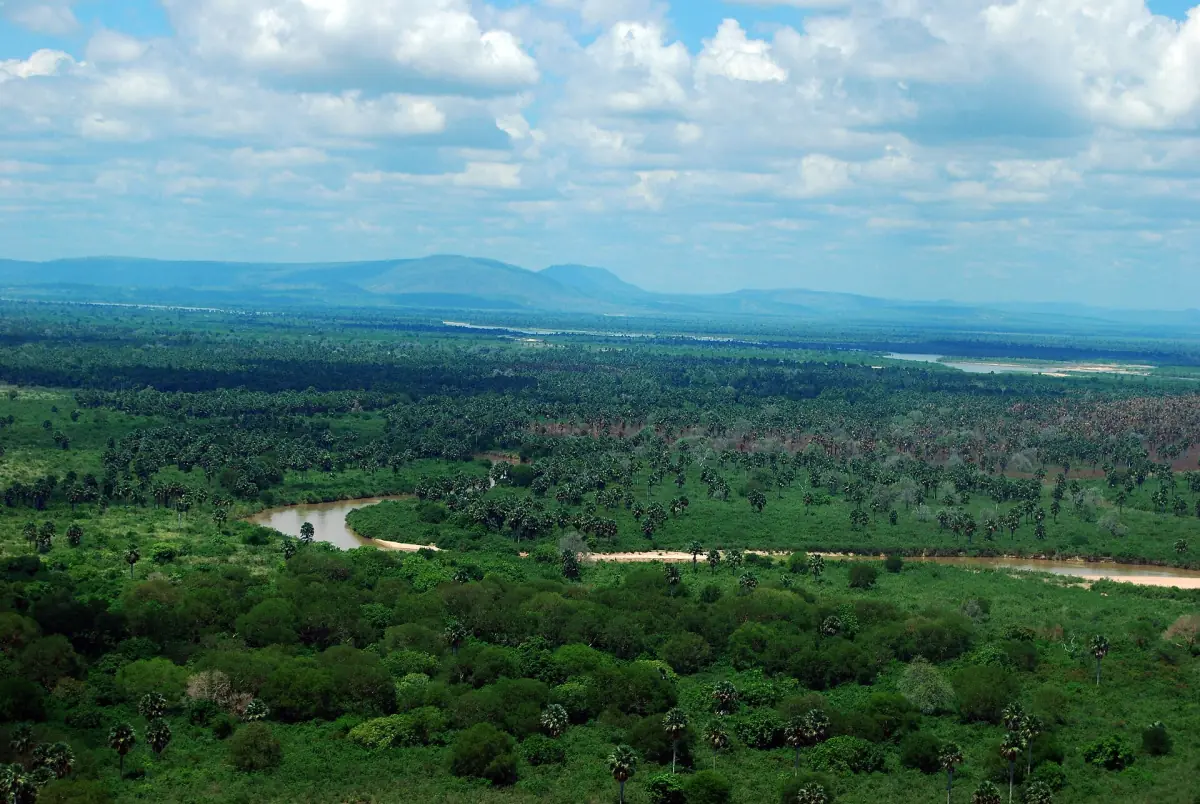
For most visitors, the safari itself takes place in Nyerere National Park, while the World Heritage status describes the wider World Heritage landscape. The TAWA reserve in the south has a different manager and includes privately leased hunting concessions. See the page on how Nyerere was split off in 2019 for the details.
What the status means for your visit
Practical points.
The danger listing is a warning about the landscape. It does not close the area to visitors, and it does not tell you whether your safari will see a particular animal. What it can affect is the long term: the river, the vegetation and the wildlife populations that make the area worth visiting.
Practical advice does not change much. Choose operators that follow the rules on tracks, distances and feeding, keep to the marked routes and ask what a trip includes. The wildlife you can expect is described on the Selous animals page, and the history behind the name is on the history page.
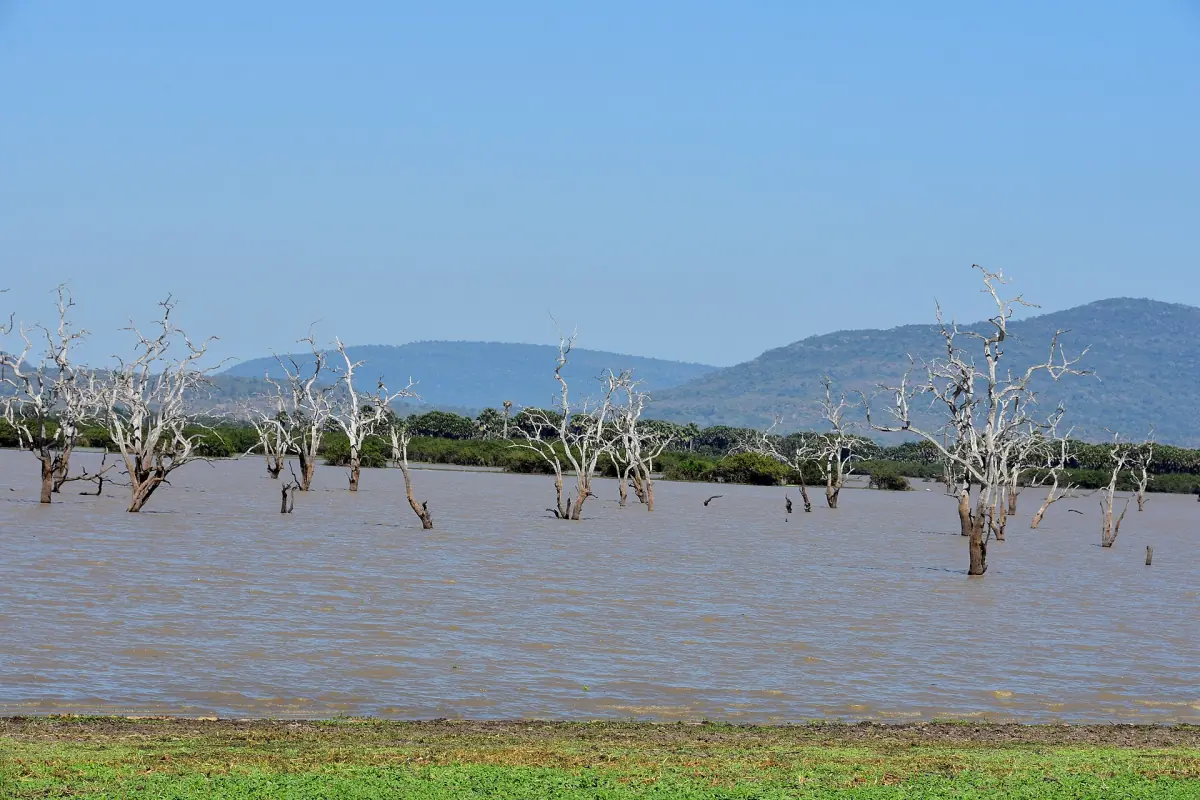
Selous World Heritage site: frequently asked questions
Is the Selous still a World Heritage site?
Yes. It was inscribed in 1982 and is still on the World Heritage List. Since 2014 it has also been on the List of World Heritage in Danger, and the Committee confirmed that in 2026.
Why is the Selous on the danger list?
The 2014 listing named poaching and the dramatic fall in elephant numbers. In 2026 UNESCO also names the cumulative effects of the Julius Nyerere dam, the Kidunda dam and the Mkuju River uranium project.
Is the World Heritage site the same as Nyerere National Park?
No. The name Selous Game Reserve stays on the World Heritage List, while Nyerere National Park was created in 2019 from the northern part of the old reserve and is run by TANAPA. The TAWA reserve of 18,020 km² is a third area.
Does the danger status stop me from visiting?
No. The status is a warning about the landscape and does not close the area. Check current travel advice for Tanzania before you book.
What do criteria (ix) and (x) mean?
They cover ecological and biological processes and biological diversity. They describe why the landscape was inscribed, not how many animals live there today.
How many turbines of the Julius Nyerere dam are running?
All nine, since April 2025. The 2026 decision names this dam, the Kidunda dam and the Mkuju River uranium project as cumulative, irreversible threats.